
Stepping into the world of digital signage can feel overwhelming. With so many specifications and claims, first-time buyers often struggle to separate must-have features from nice-to-haves. An LED digital poster sign is a slim, self-contained display designed to replace traditional printed posters in retail windows, lobbies, and event spaces. This guide walks through the essential factors you need to evaluate before making a purchase, so you choose a sign that fits your space, your content, and your budget.
What Is an LED Digital Poster Sign?
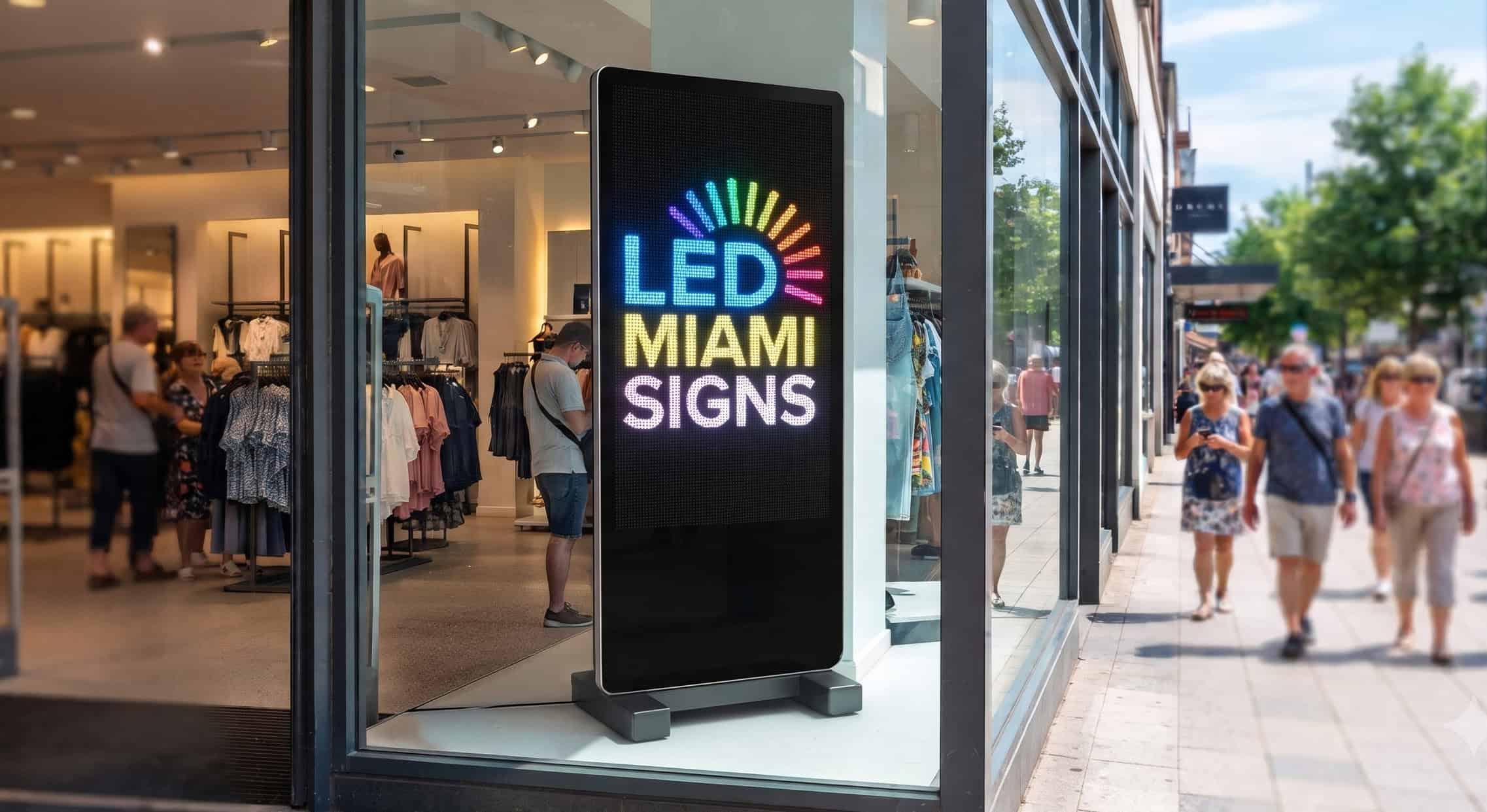
An LED digital poster sign is a programmable screen that shows dynamic content such as videos, images, text, and animations. Unlike large video walls, these poster-style units are typically slim, portable, and designed for close-up viewing. They are commonly placed in storefront windows, reception areas, or trade show booths. The sign operates using a grid of light-emitting diodes (LEDs), with each diode serving as a tiny pixel. The distance between these diodes, known as pixel pitch, directly affects image clarity. For a first-time buyer, understanding how these signs differ from traditional LCD displays or outdoor billboards is the first step in making an informed selection.
Key Specifications to Evaluate
When researching LED poster signs, three technical specifications carry the most weight: pixel pitch, brightness, and refresh rate. Each factor determines where and how effectively the sign will perform in your specific environment.
Pixel Pitch: Why It Matters for Close-Up Viewing
Pixel pitch is the distance in millimeters between the center of one LED diode and the center of the next. Smaller numbers mean tighter pixel density and sharper images. For indoor poster displays where viewers stand just a few feet away, a pitch of 4mm or finer is recommended. A 4mm pitch provides smooth text and clear graphics at typical retail distances. Larger pitches like 6mm or 10mm work for signs viewed from across a street but look grainy up close. Because LED poster signs are meant to be seen from relatively short range, selecting the right pixel pitch is one of the most critical decisions. If the pitch is too large, your content will appear blocky and unprofessional.
Brightness: The Right Nits for Your Environment
Brightness is measured in nits (candelas per square meter). An indoor LED poster sign does not need the extreme brightness of an outdoor sign, but it still must overcome ambient light. For a storefront window that receives direct sunlight, a brightness level around 5000 nits is often necessary to keep content legible. For shaded indoor locations or lobby walls, lower brightness around 1500 to 2500 nits may suffice. If you plan to place the sign behind a glass window, consider that glass can reduce effective brightness by 10 to 20 percent. Choosing a unit with adjustable brightness lets you tune the display for day and night conditions without washing out colors or wasting energy.
Refresh Rate and Color Quality
Refresh rate, measured in Hertz (Hz), affects how smoothly video content plays. A rate of 1920Hz or higher is standard for modern LED displays and avoids visible flicker in recorded video. Higher refresh rates also reduce motion blur during fast-moving animations. Color quality depends on the LED chip type and the calibration of the display. Look for signs that offer high color saturation and consistent brightness across the panel. Some manufacturers provide factory calibration to ensure uniform color from corner to corner. While refresh rate and color are less frequently discussed than pixel pitch, they directly impact the professional appearance of your digital signage.
Software and Content Management
The sign hardware is only half the equation. Without intuitive software, updating content becomes a chore. Many LED poster signs come with browser-based content management software that lets you schedule, upload, and monitor displays from any device with internet access. Cloud-based platforms allow you to change promotions instantly across multiple locations without visiting each sign physically. When evaluating software, ask whether it supports drag-and-drop editing, template libraries, and multi-user access. The best systems let you display different content at different times of day, such as breakfast specials in the morning and dinner menus in the evening. If the software is proprietary, verify that updates and support are included for the life of the warranty. Open standards like Novastar are common in the industry and offer wide compatibility with third-party media players.
Orientation and Mounting Options
LED poster signs come in both portrait (vertical) and landscape (horizontal) orientations. Portrait orientation is popular for window displays because it mimics the shape of traditional printed posters. Landscape orientation works well for wide countertops or above doorways. Some units support both orientations, giving you flexibility to rearrange your layout later.
Mounting methods generally fall into two categories: hanging and floor base. A hanging mount suspends the sign from a ceiling or wall bracket, ideal for storefront windows where floor space is limited. A floor base uses a sturdy stand to support the sign on the ground, often with wheels for portability. Floor bases are common in trade show exhibits and lobbies where the sign needs to be moved periodically. Confirm that the mounting hardware is included with the sign and that the sign frame has sufficient structural rigidity for your chosen orientation. Some manufacturers offer optional accessories like wall brackets or adjustable stands.
Budget Considerations
When setting your budget, factor in shipping, installation, and any optional accessories like stands or mounting kits. Many suppliers offer factory-direct pricing that eliminates middleman markups. Financing options may be available to spread the cost over time. If you are a first-time buyer, consider starting with a single unit to test performance before scaling to multiple locations.
Warranty and Support
An LED poster sign is a long-term investment. A solid warranty protects that investment and signals the manufacturer’s confidence in their product. Look for coverage that includes both parts and labor, with a duration of at least two to three years. Some manufacturers extend coverage to five years on critical components like LED modules and power supplies. Also check the process for repairs: does the company provide advanced replacement units, or will you need to ship the entire sign back? Reliable technical support, ideally reachable by phone or email during business hours, is essential for troubleshooting software issues or configuration questions. Before purchasing, review the warranty terms carefully and ask about exclusions such as damage from improper installation or power surges.
Installation and Setup
Proper installation ensures your LED poster sign performs as intended and lasts its full lifespan. Some units are designed for simple plug-and-play setup, while others may require professional mounting and calibration. If you are installing the sign in a storefront window, consider factors like sight lines, viewing distance, and electrical outlet placement. The sign should be positioned so that it is visible from the street without obstruction. Professional installation services can handle wall mounting, cable management, and initial configuration. Many manufacturers offer installation guides or recommend certified technicians. If you choose to install the sign yourself, verify that the mounting surface can support the weight and that all screws and brackets are properly secured.
Frequently Asked Questions
What pixel pitch should I choose for my LED poster sign?
For indoor poster signs viewed at close range, a pixel pitch of 4mm or smaller is recommended. A 4mm pitch provides sharp text and detailed images for viewers standing a few feet away. Larger pitches like 6mm are acceptable if the sign is seen from at least 10 feet, but they will appear grainy up close.
How bright does my LED poster sign need to be?
Brightness depends on the installation location. For a sunlit storefront window, look for a sign rated around 5000 nits to overcome glare. For shaded indoor walls or lobbies, 1500 to 2500 nits is usually sufficient. Adjustable brightness settings give you flexibility for day and night use.
Can I mount an LED poster sign on a window or wall?
Yes. Most LED poster signs support both hanging mounts and floor bases. Hanging mounts attach to ceiling or wall brackets and work well for storefront windows where floor space is limited. Floor bases include stands with or without wheels for portable use. Check that your chosen mount is compatible with the sign’s frame.
What kind of software do I need to control the sign?
Browser-based cloud software is the most convenient option. It lets you schedule, update, and monitor content from any device with internet access. Look for software that offers drag-and-drop editing, template libraries, and multi-location support. The best platforms are included with the sign purchase and receive free updates.
Choosing your first LED digital poster sign does not have to be complicated. Focus on pixel pitch for clarity, brightness for visibility, and software for ease of use. Consider mounting options that suit your space, and protect your investment with a strong warranty. Once you evaluate these factors, you can confidently select a display that captures attention and delivers a strong return on investment.