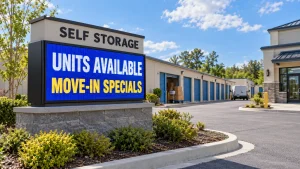


Indoor LED signs have changed the way businesses communicate with customers and employees. These dynamic displays offer a versatile platform for delivering messages, promoting products, and enhancing the overall ambiance of a space. However, the effectiveness of an LED sign hinges largely on the quality of the content displayed. Here are some best practices for designing engaging content for indoor LED signs that will captivate your audience and maximize the impact of your messaging.
Understand Your Audience
Before you start designing content for your LED sign, it’s crucial to understand your target audience. Consider who will be viewing the sign and what information will be most relevant to them. Are they customers looking for special offers, employees needing updates, or visitors requiring directions? Tailoring your content to the needs and interests of your audience will ensure that your messages are not only seen but also appreciated and acted upon.
Keep It Simple
Simplicity is key when it comes to LED sign content. Your audience may only have a few seconds to glance at the display, so make sure your message is clear and concise. Avoid cluttering the screen with too much text or overly complex graphics. Use short, punchy phrases and high-impact visuals that can be easily digested at a glance. Remember, less is more.
Use High-Contrast Colors
Color contrast significantly affects readability. High-contrast color combinations, such as white text on a black background or black text on a yellow background, make your content more legible from a distance. Avoid using similar shades for text and background as it can make your content hard to read. Consistent use of your brand colors can help reinforce brand identity while maintaining visual appeal.
Optimize for Readability
Choose fonts that are easy to read from a distance. Sans-serif fonts like Arial, Helvetica, and Verdana are generally more legible on digital screens than serif fonts. Use large font sizes to ensure readability from various viewing angles and distances. Additionally, avoid using all caps, which can be harder to read and can come across as shouting.
Incorporate Motion Sparingly
While motion can attract attention, overusing animations or transitions can distract from your message. Use motion sparingly to highlight key information or to draw the eye to important elements of your display. Smooth, subtle animations are more effective and less likely to overwhelm your audience than fast, flashy movements.
Regularly Update Content
Stale content can lead to disengagement. Regularly updating your LED sign content keeps it fresh and relevant. Highlight new products, upcoming events, or seasonal promotions to maintain interest. A content calendar can help you plan and rotate messages effectively, ensuring your display always offers something new and interesting.
Leverage Visual Hierarchy
Visual hierarchy helps organize information in a way that guides the viewer’s eye to the most important elements first. Use size, color, and placement to create a hierarchy in your design. The most critical information should be the most prominent, followed by secondary details. This approach ensures your key messages are communicated quickly and effectively.
Test and Iterate
Don’t be afraid to experiment with different designs and layouts. Test your content to see what works best for your audience. Gather feedback and use analytics to track engagement and effectiveness. Iterating based on data and feedback will help you continually improve your content strategy.
Lastly, designing engaging content for indoor LED signs is both an art and a science. By understanding your audience, keeping your messages simple and clear, using high-contrast colors, optimizing for readability, incorporating motion sparingly, updating content regularly, leveraging visual hierarchy, and continuously testing and iterating, you can create compelling displays that capture attention and communicate effectively. Implementing these best practices will ensure your LED signage not only enhances your space but also drives engagement and achieves your business goals.